
Food for a purposeful life
09 February 2016
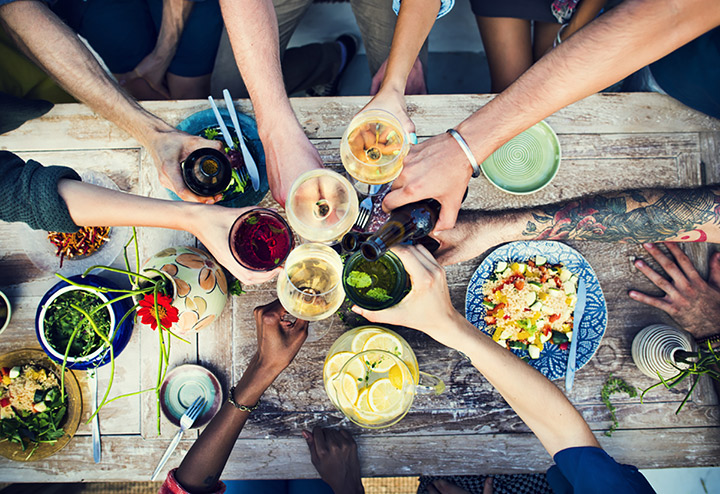
What do we know about the sort of food we might choose to eat?
We know that we live in a time of fabulous abundance. By that, I mean the traditions of every single cuisine in the world is available to us with the quickest of online searches. Cooking at home, you can choose one day to cook Spanish, the next to go for Thai, maybe follow that up with French, or Korean, or … well, you get the idea. We have more chefs giving us more techniques for achieving great flavour for our food than we can quite make sense of. Food as a sensual pleasure is one of the things we can all enjoy.
We also know that we live on a finite planet, and that some elements of our food intake need to change and adapt to meet this basic reality. We need to stop wasting food. I mean, really – as a society we waste a lot of food where we have it in abundance. It’s criminal. And we also know that we need to eat less meat because of the higher impacts of some forms of mass livestock farming.
We live on a finite planet and some elements of our food intake need to change to meet this basic reality
Finally, we know that we need to eat food that’s good for us. We’ve explored what happens when we simply follow tastes without any form of higher choice or discipline, and it doesn’t take us to good places. Massive levels of obesity with huge health consequences. And we’re even seeing that those cultures in different parts of the world that had a pretty healthy diet before are starting to change as they adopt the same aspirational model of consumption, and for the first time they’re seeing the negative impacts of that shift.
For myself, I wasn’t brought up with any kind of food tradition. Britain in the 1970s was a bit of a desert when it came to the culinary arts. As a child, I had the benefit of vegetables fresh from the garden, thanks to my dad. But otherwise it was a predictable cycle of stock meals with plenty of instant mash potato and easy scoop ice cream.
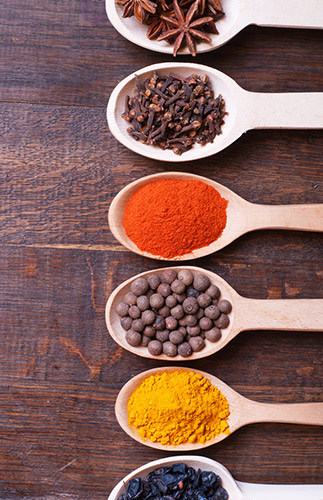
In my late teens, as I was becoming interesting in the world and some of the challenges facing it, I became vegetarian. And because, in the 1980s if you were a vegetarian you were on your own as far as most restaurants were concerned, I learned to cook and began to appreciate the process as something that could generally enrich your life. I baked my own bread. I even once made my own soya milk, to use to make my own tofu (that was a one-off experiment for sure!)
The point was that I learned to be deliberate about my food. I learned about the nutritional contribution different types of food provide, learned about ensuring balance over time.
And after 23 years, I decided I was ready to stop being vegetarian. The world of food had transformed around me since those grey days all that time ago. I wanted to experience the mainstream food cultures of the world. And it certainly made a difference that some of the countries I most wanted to visit were places where vegetarians had the hardest time.
So I stopped. For a while, I just tried everything I’d never had before. No barriers formed by decades of habit. Just curiosity.
And here I am now, and the balance is more firmly centred. The times when I eat meat and fish meals I want them to be delicious – well prepared, beautifully cooked, and drawing from the rich culture from across the world. But also I am eating more meals again that are without meat. And I have all that history to draw from, as well as picking up on some of the advances that have arrived in the non-meat world since I was paying attention.
The one challenge I have is to do all this whilst wasting less. It’s great having all these celebrity chef recipes these days, but they often encourage us to waste more. They have lots of great ingredients, but some of which you use only a small amount making it likely that what you have left will go to waste. Yes, you can use the remainder with another dish, but you end up with such a specific selection of different left-overs, this isn’t as easy to achieve as it is to say.
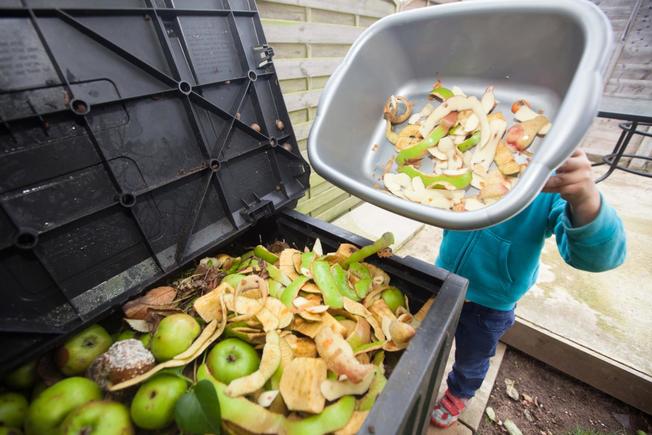
I enjoy living alone, so unless I’m giving a dinner party, I cook for one. Fine for soups, stews and other meals that can be portioned up and frozen. Not so great for stir fries, risottos, salads, anything else where you can’t get ingredients portioned down for just the amount you need.
So part of my challenge to self over the coming year is to cook all my own food when I’m at home (ie. no ready meals) but to do so in ways that create as little waste as possible.
Postscript: By the way, during all my years as a vegetarian, I never once took it on myself to lecture others about how they should eat. There are good reasons why we need mainstream behaviours to move towards healthier and sustainable patterns. I don’t think that ever happens by people standing on an island of purity and haranguing everyone else to reform their wicked ways. Bear that in mind if you decide to add a comment below!
Subscribe to Updates
Enter your email address to subscribe to this blog and receive notifications of new posts by email.
We will never share your details with any third party
