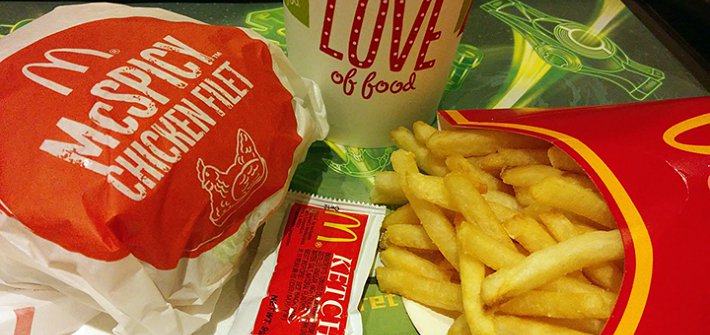
How sustainability is the quiet partner in CEO Steve Easterbrook’s turnaround of McDonald’s
When Steve Easterbrook was flown in from Britain to take the helm of McDonald’s just a year ago, the company was in big trouble.

When Steve Easterbrook was flown in from Britain to take the helm of McDonald’s just a year ago, the company was in big trouble.
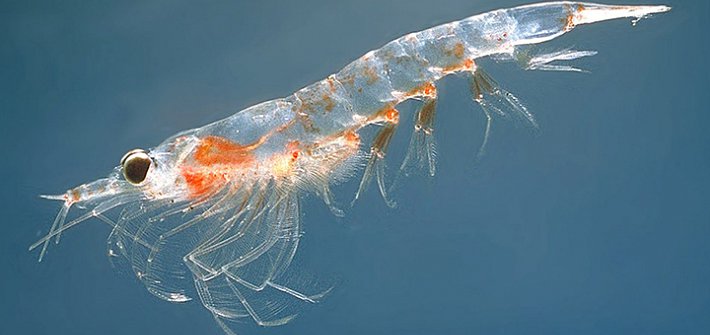
Tuna remains a key part of the sustainability discussion at the moment. But the new focus for attention is one that very few people will have heard of.

In this fantastic technologically-enabled world, we are treading so often so close to the line on privacy, we often stumble over it.
What are the odds that specific industry sectors would uniquely and universally attract the lowest forms of vermin that the human species can produce?
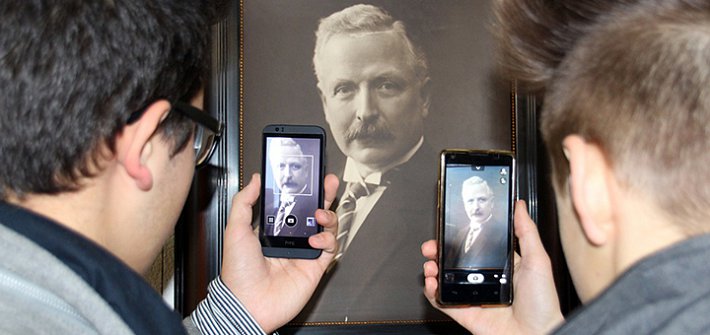
The Millennials are the digital natives, and it seems possible that this generation of always-on, widely-connected youngsters might be the harbingers of more change than we thought possible just a few years ago.
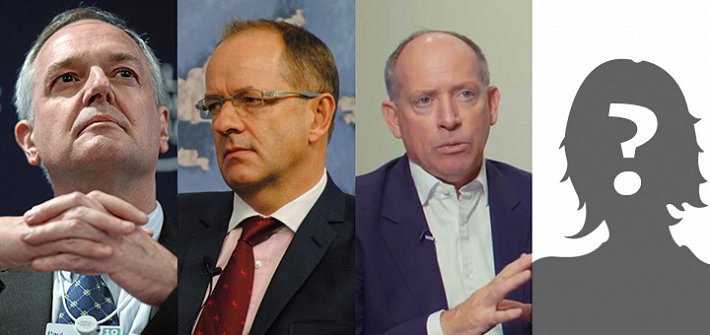
Leadership is the defining factor for any movement for change. Without it, you just get various tribes pursuing their own interests.
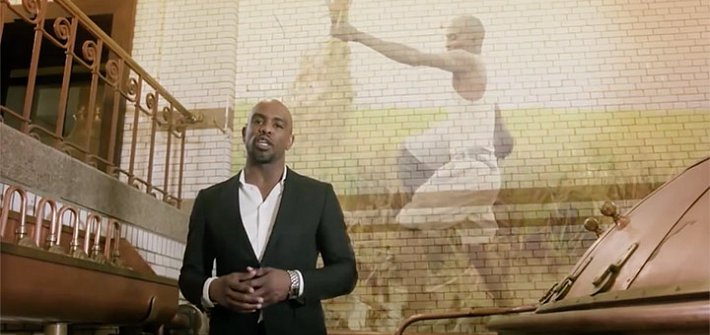
I kid you not, Heineken has gotten Dutch rap artist Kevin ‘Blaxtar’ de Randamie to perform an overview of their 2015 sustainability report.

Real life experience, and some of the best research, confirms one basic truth about us. People follow incentives.
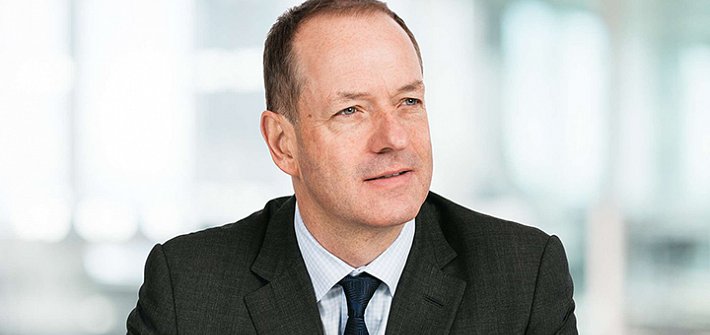
On March 31st, GlaxoSmithKline announced that it would give poorer countries cheap access to cancer drugs. It was the latest initiative from a company that, under CEO, Andrew Witty, had been ready to ask some of the hard questions of the pharmaceutical industry business model.

Does a recent survey that shows the difficulty of persuading the centre-right of energy efficiency and renewable energy provide clues as to why the mainstream business voices have yet to see the light on corporate sustainability?
Enter your email address to subscribe to this blog and receive notifications of new posts by email.
We will never share your details with any third party
