
Ricardo Semler: The radical boss who proved that workplace democracy works
The management style that Ricardo Semler evolved through decades of experimentation at Brazilian firm Semco proved to be massively successful.

The management style that Ricardo Semler evolved through decades of experimentation at Brazilian firm Semco proved to be massively successful.

According to some surveys, more young people want to work for companies that have values, firms that make a difference to the world above and beyond satisfying customers. But it isn’t a one-way street.

In this fantastic technologically-enabled world, we are treading so often so close to the line on privacy, we often stumble over it.
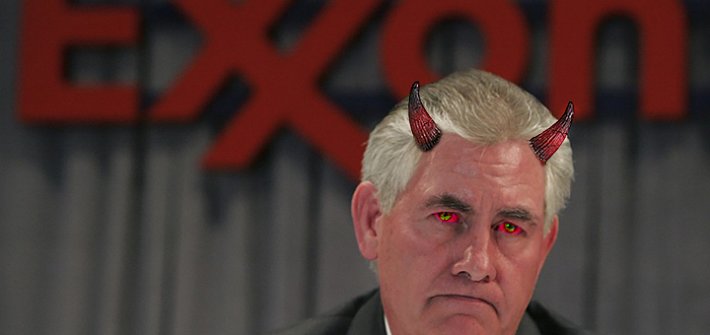
What are the odds that specific industry sectors would uniquely and universally attract the lowest forms of vermin that the human species can produce?
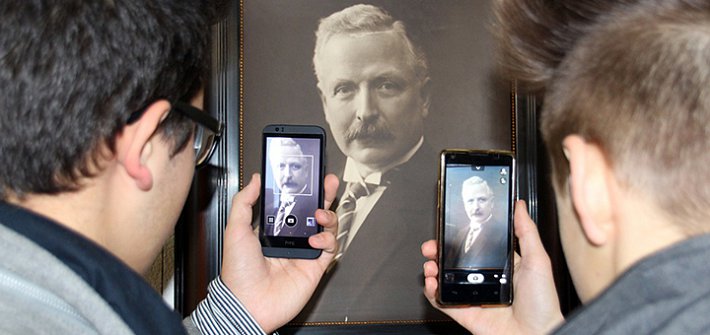
The Millennials are the digital natives, and it seems possible that this generation of always-on, widely-connected youngsters might be the harbingers of more change than we thought possible just a few years ago.
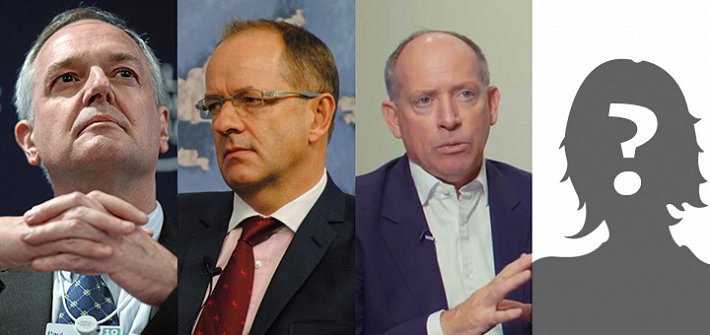
Leadership is the defining factor for any movement for change. Without it, you just get various tribes pursuing their own interests.
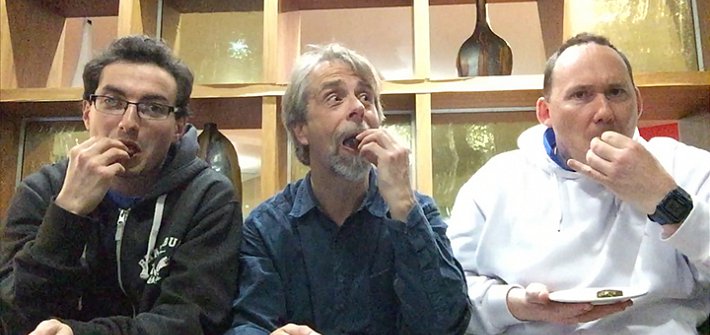
With 7 billion people in the world, we are into new territory when it comes to providing food for such quantities of people.

I kid you not, Heineken has gotten Dutch rap artist Kevin ‘Blaxtar’ de Randamie to perform an overview of their 2015 sustainability report.

Real life experience, and some of the best research, confirms one basic truth about us. People follow incentives.

I need a new pair of jeans. Obviously, I want a great pair of jeans since I’m going to be wearing them so much. But what’s the best choice from the sustainability point of view?
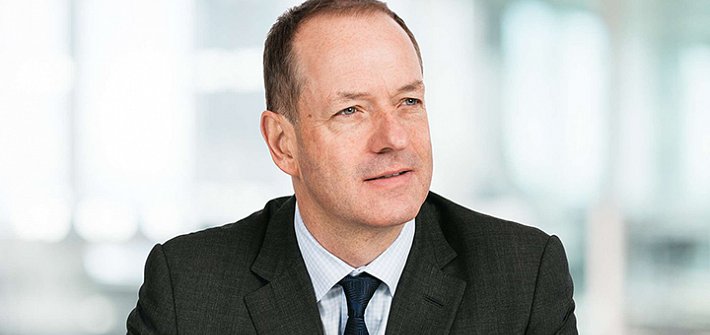
On March 31st, GlaxoSmithKline announced that it would give poorer countries cheap access to cancer drugs. It was the latest initiative from a company that, under CEO, Andrew Witty, had been ready to ask some of the hard questions of the pharmaceutical industry business model.

If you’re an ambitious young professional, determined to move up the ladder and to succeed, you’re not going to go against the prevailing culture of the place where you work.

It’s funny how many of us would say that we aim to have a meaningful life, and yet we wander opportunistically from one happy accident to another, letting random events define who we are and what we might ever achieve.

Does a recent survey that shows the difficulty of persuading the centre-right of energy efficiency and renewable energy provide clues as to why the mainstream business voices have yet to see the light on corporate sustainability?

Questions and answers, including is Nike really as good as I said in my recent article, how much do companies spend on CSR, and can we take it seriously when tobacco and armaments companies produce CSR reports?

Are the high street fashion chains living in an ethical desert, or are there places that may serve as the first step on the journey towards more sustainable buying habits?

Here in the UK, we’re bad for food waste. Around 14 million tonnes of food are wasted every year. Half of that national waste comes from households. You and me. Day in, day out. Buying food in, letting it rot and throwing it out.
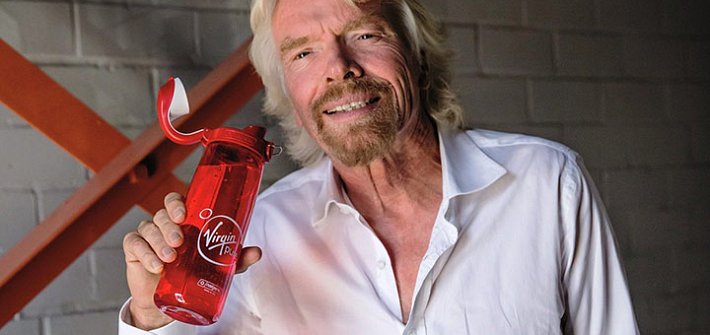
In common with certain other ‘elder statesmen’ business leaders, you’re more likely to see commentary from Richard Branson on key social and environmental issues than you are purely business ones these days.
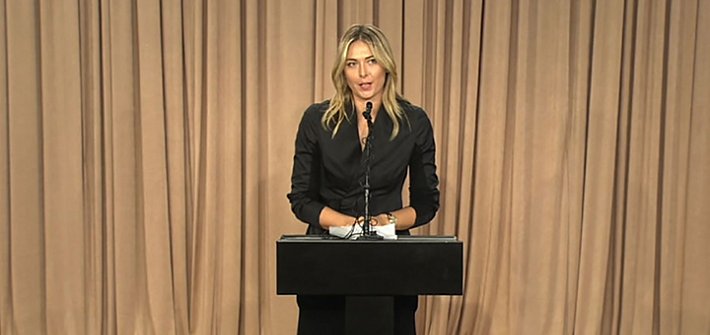
The world of sport has been rocked by scandal after scandal recently, with corruption, doping and top athletes expressing abhorrent views. This is obviously a dilemma for sponsors, and we're seeing a trend of increasing activism by companies in defence of ethics in sport, and of their own reputations. But does it go wider than that?

Rose Marcario was perfectly successful as an executive vice president of Capital Advisors LLP when she basically burned out on the demands of private equity business.
Enter your email address to subscribe to this blog and receive notifications of new posts by email.
We will never share your details with any third party
