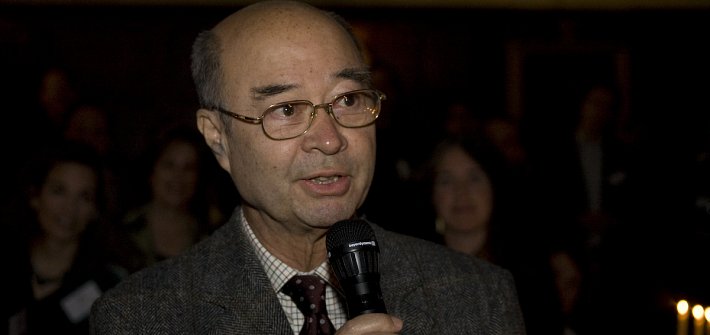
Mechai Viravaidya - Thailand's Cheerful Revolutionary
Mechai Viravaidya has been, over his life, one of the most effective campaigners for social change I’ve ever heard about, let alone met.

Mechai Viravaidya has been, over his life, one of the most effective campaigners for social change I’ve ever heard about, let alone met.


Everybody's boycotting someone - some of the reasons are solid, and some are founded on urban myths or old problems that have been fixed already! How to know the difference?

It’s become something of a trend. The “gift that gives twice” is some sort of ethical gift, and particularly one that supports a cause such as a charitable donation in the receiver’s name.

One of the questions I was asked recently was this: If I want to work in an area of sustainability that has the maximum impact of saving the planet, what would that area be?
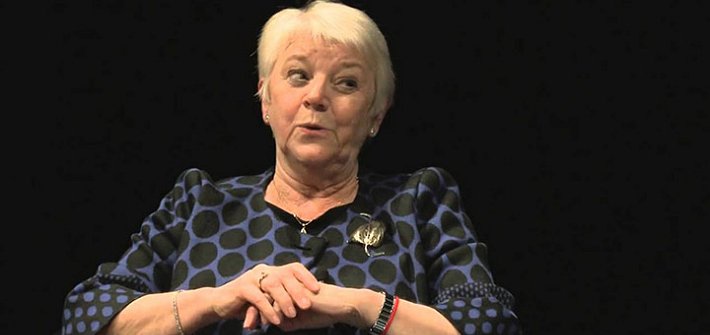
When Dianne Thompson arrived at Camelot, the company that runs the UK National Lottery, it was something of a baptism of fire.
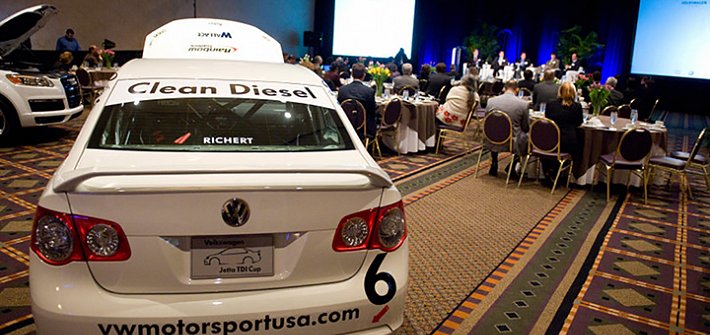
A few years ago, I made a prediction that some time in the following five years, a CSR champion – probably a sector leader in the Dow Jones Sustainability Index – would "suffer a scandal serious enough to add weight to the CSR sceptics".

They say you don't fatten a pig by weighing it. But apparently, according to a new report, reporting your company's carbon footprint can save you $1.5 million a year.

I just received yet another of a long line of email press releases today breathlessly announcing the publication of yet another 'sustainability report.'
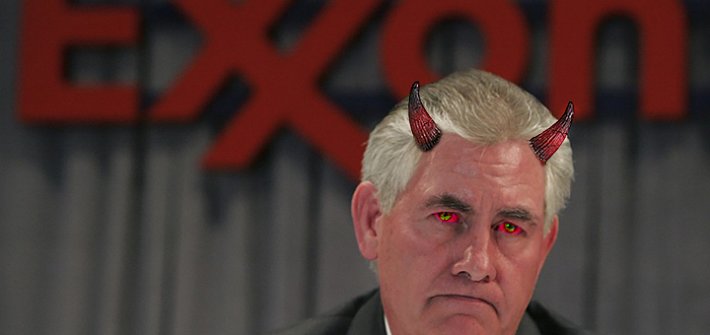
The single biggest aspect of the environmental movement is the tendency it has to turn its campaigns into "us vs them" conflicts.
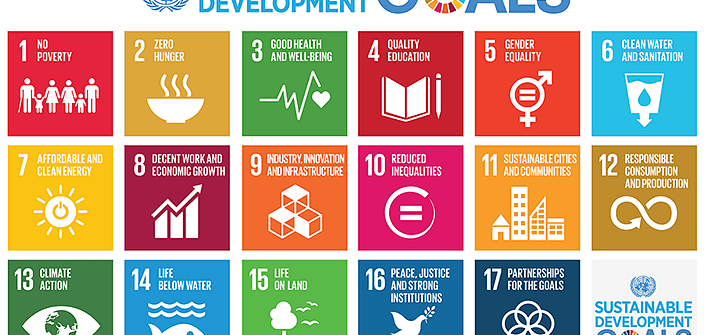
The original UN Millenium Development Goals expire this year. You may recall, these were framed at the turn of the century and identified eight key areas for action to move us towards sustainable development ...
A recent YouGov survey has highlighted the fact that in the US and UK there is a significant percentage of people who "do not agree to any international agreement that addresses climate change."

It's one of the most common clichés in the corporate world – when companies describe their workforce as "their greatest asset."

You would think that planting trees was the most universally smiled-upon activity a company could undertake. Even if there are people out there who think that carbon-offsetting is a distraction from reducing emissions, nobody actually minds if you plant trees. Do they?

UK supermarkets are, according to Which? magazine, "duping shoppers" out of hundreds of millions of pounds. But are we really so helpless?

During the first decade of the 21st century, it was pretty much a consensus amongst all but the anti-corporate campaigners that CSR was best if it was voluntary.

Some companies become particularly recognised for their social responsibility. It becomes part of what makes them famous. And the benefits of being numbered within these ranks are obvious.

One of the things we know is essential about any credible sustainability report or website is evidence of top level commitment. Usually this is demonstrated by having the chief executive of the company providing an introduction - written for printed reports, but increasingly video for websites.
By any count, the world is changing faster than ever before. Human numbers are growing faster, and the impact of our activities is being felt in more and more ways.
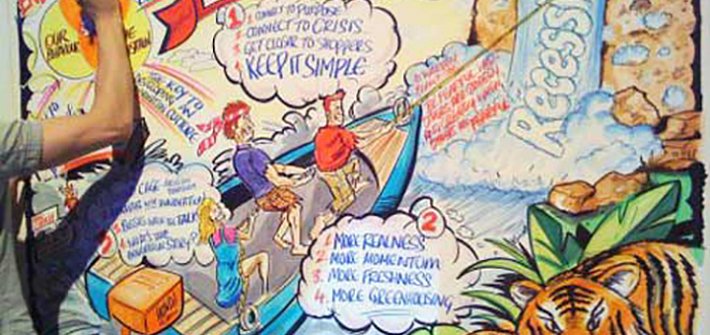
Recently, I was asked by a company to comment on its draft corporate vision. It was very much of the "we aim to be number one in our industry" style of vision which, needless to say, left me rather underwhelmed.
Enter your email address to subscribe to this blog and receive notifications of new posts by email.
We will never share your details with any third party
